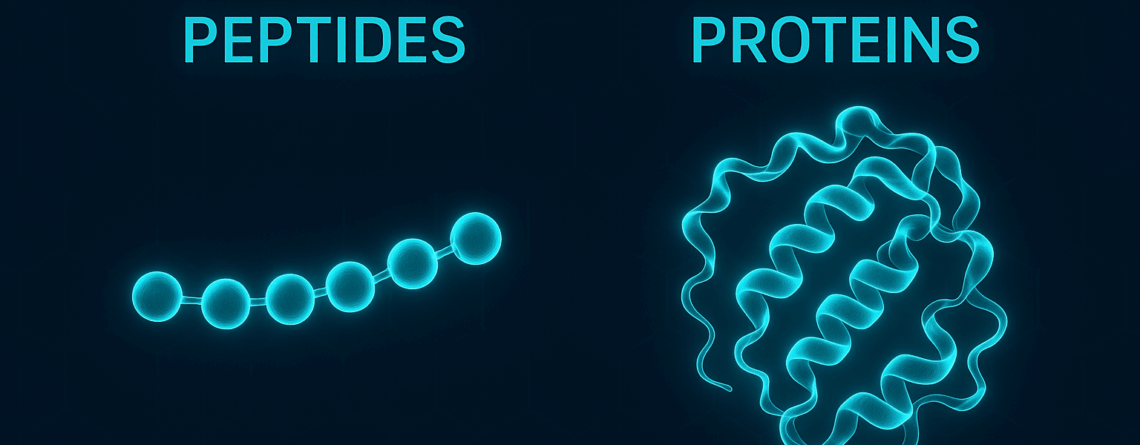
Peptides: The Body’s Tiny Messengers and the Future of Medicine

Peptides: The Body's Tiny Messengers and the Future of Medicine Peptides are fascinating molecules that form the foundation of life’s complex biochemistry. They are often called the body’s “signaling molecules” because they act as tiny, powerful messengers—directing cells and tissues to perform specific actions such as...

Peptides 101: Peptide Research and Its Future Potential

Peptides 101: Peptide Research and Its Future Potential Peptides are among the most exciting frontiers in modern biological and medical research. These small chains of amino acids act as the body’s messengers, regulators, and repair signals, influencing everything from metabolism to tissue healing. Although most peptide...

Storing Peptides Like a Pro

Storing Peptides Like a Pro TL;DR Store peptides cold, dry, dark, and undisturbed. For long-term storage, use −80 °C (and buffer against frost-free cycles). Aliquot into single-use vials to avoid freeze–thaw cycles. Let vials warm to room temperature before opening to prevent moisture contamination. Store peptides dry whenever possible; solutions degrade...

Peptide Research and FDA Approval

Peptide Research and FDA Approval Peptides are short chains of amino acids—essentially miniature proteins—that act as highly precise messengers inside the human body. They regulate healing, metabolism, hormones, inflammation, immune function, and countless cellular processes. Because of their high selectivity and generally excellent safety profiles, peptides...