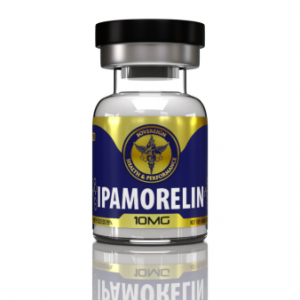
Description
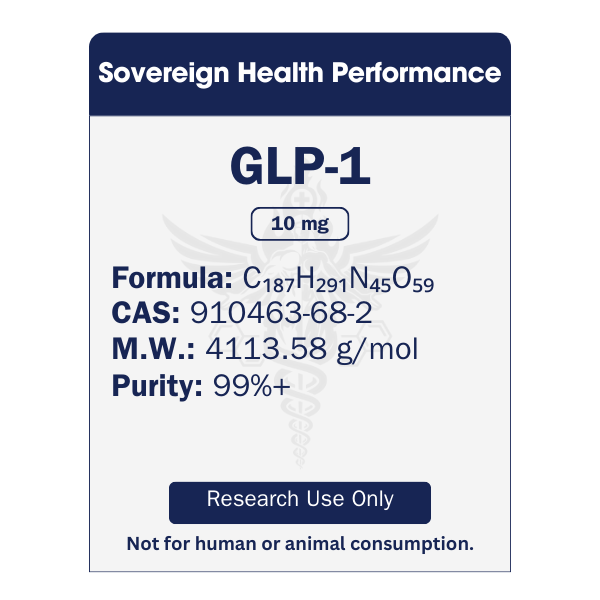
Introduction to GLP-1 (Research Use Only)
GLP-1, short for glucagon-like peptide-1, is a synthetic peptide analog that acts as a GLP-1 receptor agonist. It is structurally similar to a naturally occurring hormone involved in glucose homeostasis and appetite signaling. GLP-1 has been extensively studied in models of type 2 diabetes, metabolic syndrome, and cardiovascular risk management, and continues to be evaluated for its broad physiological effects.
Research Highlights
1. Glycemic Control and Diabetes Models
A pivotal randomized controlled trial, the SUSTAIN-1 study, published in the New England Journal of Medicine in 2017, demonstrated that GLP-1 significantly improved HbA1c levels compared to placebo in individuals with type 2 diabetes. These results highlighted GLP-1’s potential in promoting glycemic stability across various metabolic conditions.
Reference: Marso et al., 2017
2. Metabolic Regulation and Energy Balance
The STEP 1 trial, published in The Lancet (2021), examined the effects of GLP-1 in individuals with elevated BMI and metabolic comorbidities. Participants receiving GLP-1 exhibited meaningful changes in energy balance parameters compared to placebo, underscoring its relevance in appetite signaling and metabolic research.
Reference: Wilding et al., 2021
3. Cardiovascular Outcomes
The SUSTAIN-6 trial (NEJM, 2016) assessed the cardiovascular outcomes of GLP-1 in patients with type 2 diabetes. The study revealed a significant reduction in major adverse cardiovascular events (MACE), including nonfatal stroke, nonfatal myocardial infarction, and cardiovascular death.
Reference: Marso et al., 2016
4. Mechanisms of Action
Research published in Diabetes, Obesity and Metabolism detailed the mechanisms through which GLP-1 improves glycemic control. These include enhancing insulin secretion, suppressing glucagon, and slowing gastric emptying, which collectively help stabilize postprandial blood glucose levels.
Reference: Davies et al., 2017
5. Safety and Tolerability Profiles
A 2018 review in Diabetes Therapy analyzed clinical data from multiple trials and found that GLP-1 was generally well tolerated. The most frequently reported side effects were gastrointestinal, such as nausea and diarrhea, which tended to decrease over time.
Reference: Sorli et al., 2018
Supporting References
- Marso, S. P., et al. (2017). Semaglutide and Cardiovascular Outcomes in Patients with Type 2 Diabetes. New England Journal of Medicine, 376, 1941–1952.
- Wilding, J. P. H., et al. (2021). Once-Weekly Semaglutide in Adults with Overweight or Obesity. The Lancet, 397(10280), 671–684.
- Marso, S. P., et al. (2016). Semaglutide and Cardiovascular Outcomes in Patients with Type 2 Diabetes. New England Journal of Medicine, 375, 1834–1844.
- Davies, M. J., et al. (2017). Efficacy and Safety of Semaglutide Versus Placebo as Add-on to Basal Insulin (SUSTAIN 5). Diabetes, Obesity and Metabolism, 19(9), 1311–1320.
- Sorli, C., et al. (2018). Efficacy and Safety of Once-Weekly Semaglutide Versus Placebo (SUSTAIN 1). Diabetes Therapy, 9(2), 537–548.
Disclaimer:
GLP-1 analogs are approved by the FDA for specific indications under medical supervision. However, outside of these indications, they are not approved for general or off-label use. The information above is presented solely for educational and research purposes. Any discussion of outcomes is based on peer-reviewed research and does not imply human efficacy or safety in non-approved contexts. This product is not intended to diagnose, treat, cure, or prevent any disease.